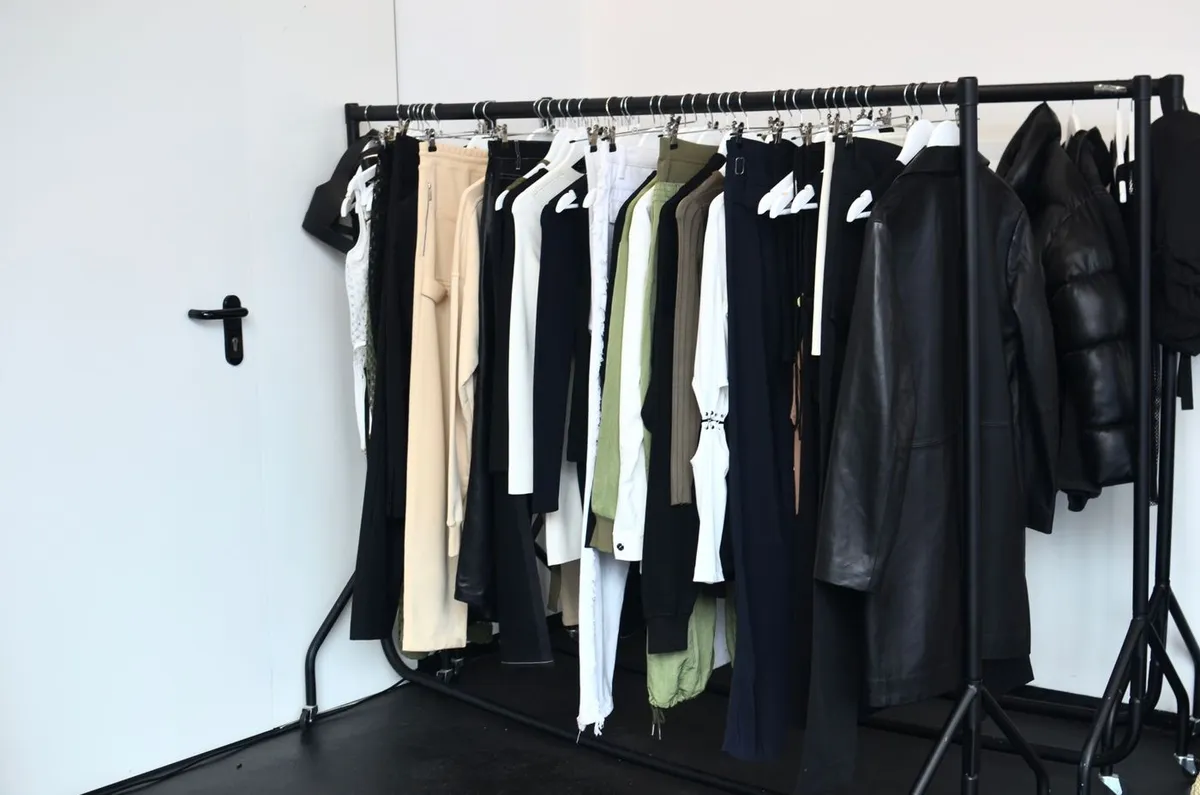
You are browsing a white tee because the last one never seems available. Before ordering, open the drawer: perhaps three are there, but one is stained, another is too short and the third sits behind an uncomfortable sweater. A closet audit helps distinguish a shortage of clothes from a shortage of clothes you can actually use. Those are different problems, and they call for different solutions.
Set aside one manageable hour and choose a category, such as work tops or everyday trousers. Emptying the entire wardrobe can turn a useful task into an exhausting weekend. Keep a mirror, a notes app and the shoes you normally wear nearby. The aim is to examine complete outfits, not to judge each garment in isolation.
Sort by today’s usefulness
Make four small groups: ready to wear, needs care or repair, unsure and no longer suitable. A missing button belongs in the repair group; it does not necessarily justify a replacement shirt. Clothes that fit a previous lifestyle can move into the unsure group without an immediate decision about donating them.
Try the ready-to-wear pieces on. Sit, bend and raise your arms. A waistband that pinches after lunch or a neckline you constantly adjust is relevant information. Resist ranking an item highly only because it was expensive. Its current usefulness matters more than its purchase story.
Use outfit tests to locate the gap
Choose the bottom you reach for most often and pair it with three tops. Photograph the combinations for private reference. If every top works, the problem may be laundry availability or storage. If none works, identify why: proportion, dress code, fabric weight or color. “I need more basics” is too broad to guide a purchase.
Repeat with the outfit you avoid. Perhaps a skirt has no suitable shoe, or a blazer feels stiff over all your knitwear. Sometimes the solution is a different pairing among clothes you already own. Sometimes an alteration makes an existing piece wearable. Write the smallest specific change that would solve the problem.
Count the duplicates that do not do the same job
Two black trousers may serve different purposes if one is washable and relaxed while the other suits presentations. Five almost identical tees may still leave you without a neat office top. Describe each piece by function instead of treating matching colors as proof of duplication.
Inspect condition under ordinary daylight. Look for thinning fabric, twisted seams, stretched cuffs and marks that remain after cleaning. Check care instructions before trying any stain treatment. Put repair tasks on a short list with realistic deadlines; a permanent repair pile is effectively unavailable wardrobe space.
Buying checklist
Write a shopping note only after the outfit tests. A helpful note might read: “washable, medium-weight top with sleeves that fit under my cardigan; works with navy trousers and straight jeans.” That is much more useful than “nice top.”
- Name the existing outfits a new item would complete.
- Check whether repair, washing or an alteration could do the same job.
- Record the measurements of a well-fitting comparable garment.
- Decide how often the missing piece would be needed between laundry days.
- Set a total budget that includes any likely tailoring or care costs.
If a genuine gap remains, compare relevant basics at Uniqlo or Everlane using the specific brief. Look at fabric composition and garment measurements, not just a styled product photograph. Keep the note available when a sale email arrives.
Tradeoffs
A strict clear-out creates space quickly but can remove useful occasional pieces. A slower audit is less dramatic and allows you to observe what a normal month requires. Keeping everything avoids regret but can make working clothes harder to find. Use a small, dated holding box for uncertainty rather than returning every questionable item to the main rail.
Finish by making the ready-to-wear group easy to reach. Put repairs where you will act on them and write no more than three genuine gaps. The audit succeeds when next week’s dressing is simpler, even if you do not buy or discard anything at all.