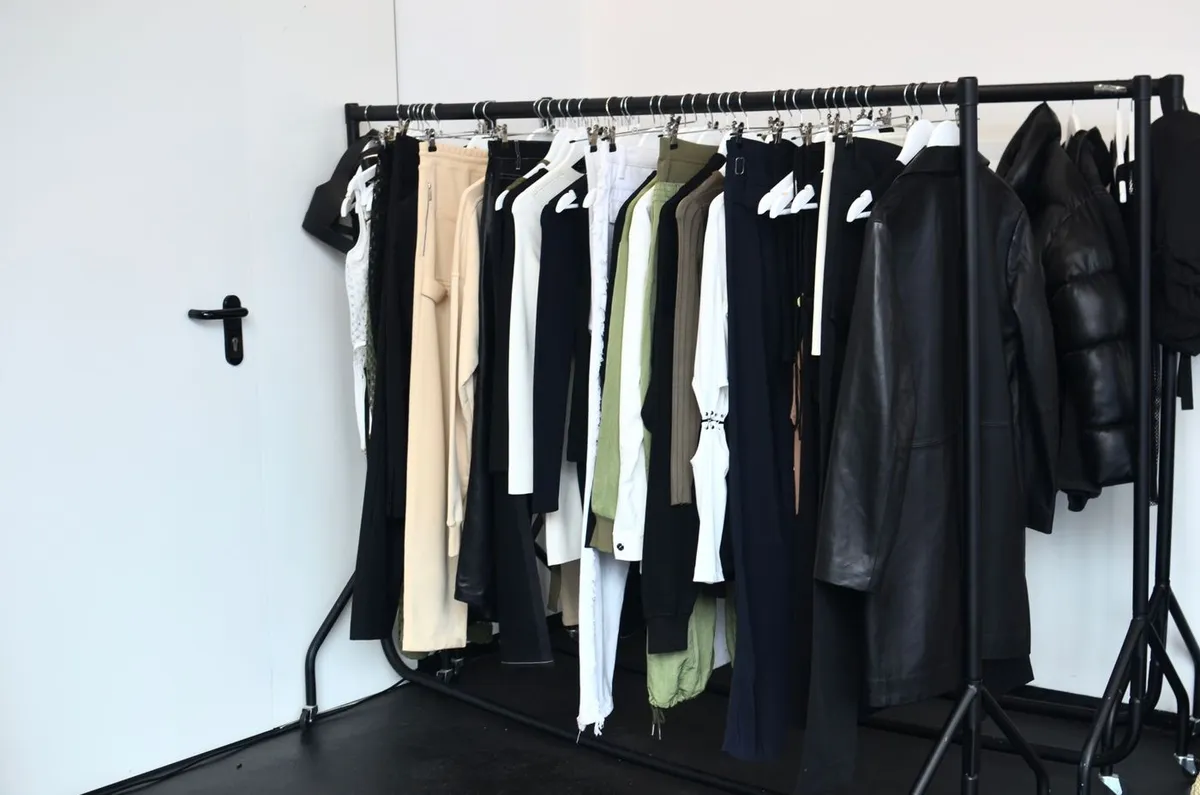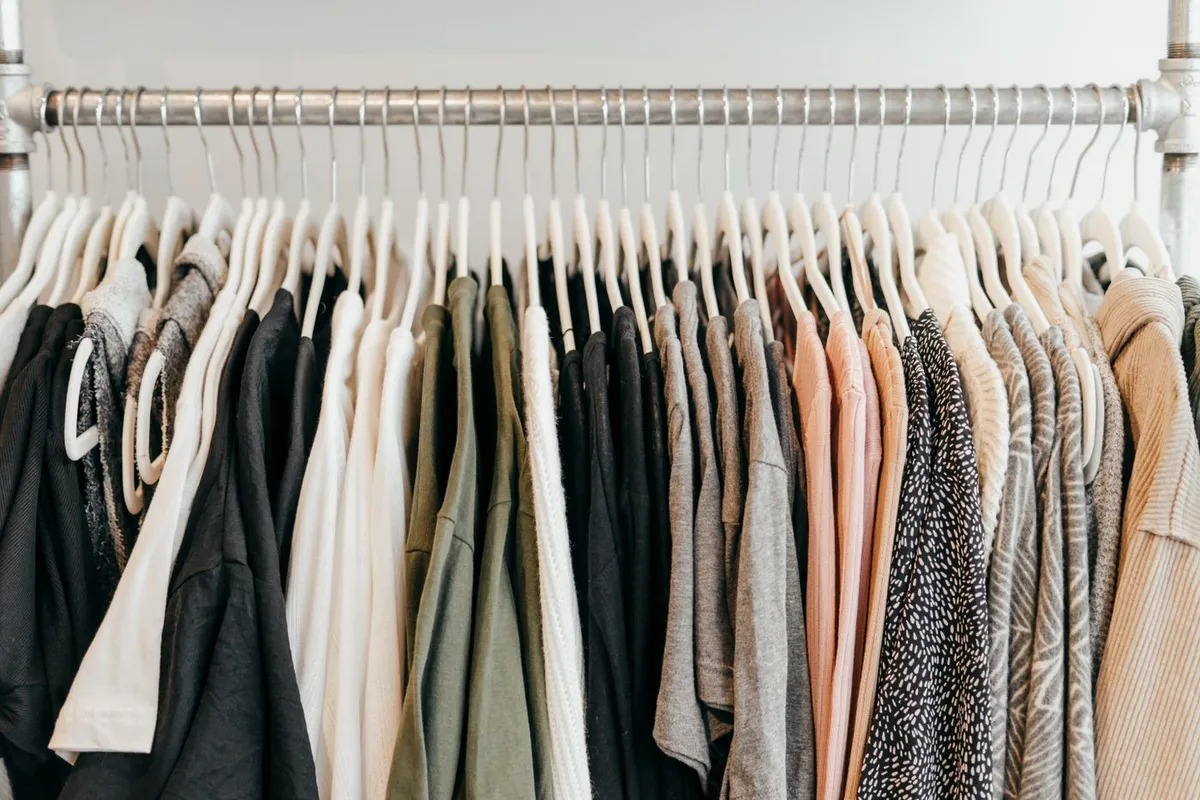
A sale email arrives on a Sunday evening, just as you are putting away laundry. It is tempting to open every category and see what looks exciting. Before doing that, look at the clothes you have been avoiding all week. The uncomfortable work trousers, the cardigan that no longer closes and the shoes you never choose tell you more about useful purchases than a discount banner does.
Give yourself a short closet check rather than a full reorganization. Pull out the pieces you wear for the next two weeks of actual plans. Build a few outfits for work, errands and one social occasion. If a missing item stops several combinations from working, that is a stronger shopping lead than something attractive in isolation.
Write a brief before browsing
Describe the job you need the item to do. Instead of writing “new trousers,” try “straight trousers that fit with my work shoes, allow sitting comfortably and can be cared for at home.” Include a preferred color range, necessary dimensions and a total spending limit. The brief should be specific enough to reject unsuitable bargains without being tied to one exact product.
Then check for alternatives already available. A repair, an alteration or wearing a forgotten combination may solve the gap. If you own several similar items but use none of them, identify why before buying another. Replacing the color will not necessarily fix an uncomfortable fabric or an impractical silhouette.
Compare the complete cost
A reduced price is only one part of the purchase. Add shipping, return costs, alterations and any extra clothing required to make the item wearable. Check whether the sale item is final sale or has different return conditions. A discount loses much of its appeal when you cannot try the fit and have no useful route to return it.
Think about timing, too. Buying for an immediate need is different from buying for a season months away. Your plans and preferences can change, so future purchases deserve a clearer reason. If the item fails your original brief, leave it in the cart even when the discount looks large.
Buying checklist
- Name the wardrobe gap and list three existing pieces the purchase will work with.
- Set a total budget that includes delivery, care and possible alterations.
- Read the materials, measurements and product-specific fit details.
- Confirm the return or final-sale conditions before paying.
- Check whether the same need could be met by repair, borrowing or a current outfit.
- Allow a pause before checkout and review the cart without the promotional email open.
Browse Uniqlo or Nordstrom using your written brief as a filter. Their official sites are starting points for checking current listings; this guide does not claim a particular discount, availability or best price. Compare the actual product details and checkout terms rather than relying on a sale category to establish value.
Tradeoffs
Waiting can save you from an impulsive purchase, but a needed size may sell out. That possibility does not make every purchase urgent. Decide whether the item is genuinely difficult to replace or simply feels special because a timer is visible. A workable alternative at a predictable price can be more useful than a discounted piece with the wrong fit.
Stocking up on a familiar basic can make sense when you already wear it frequently and have storage space. Buying multiple colors of an untried garment creates a different risk: you may discover the same uncomfortable detail several times. Assess one first when return timing and stock allow.
After delivery, try the purchase with the three pieces on your list. Check movement and care instructions while it remains eligible for return. If it does not solve the original gap, act before the deadline instead of assigning it to an imaginary future outfit. A successful sale purchase earns a place in your week; its value is the use you get from it, rather than the amount crossed out beside its price.