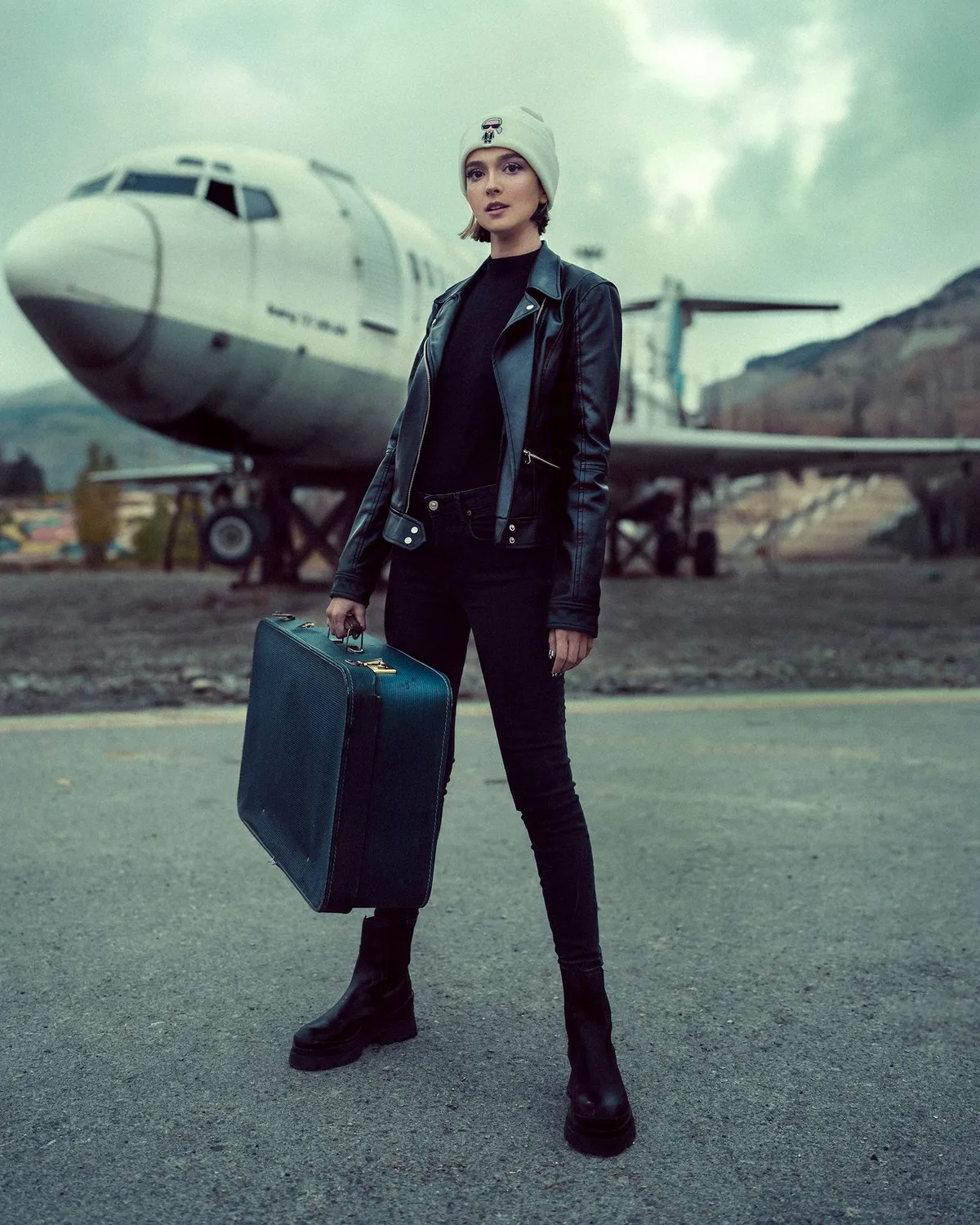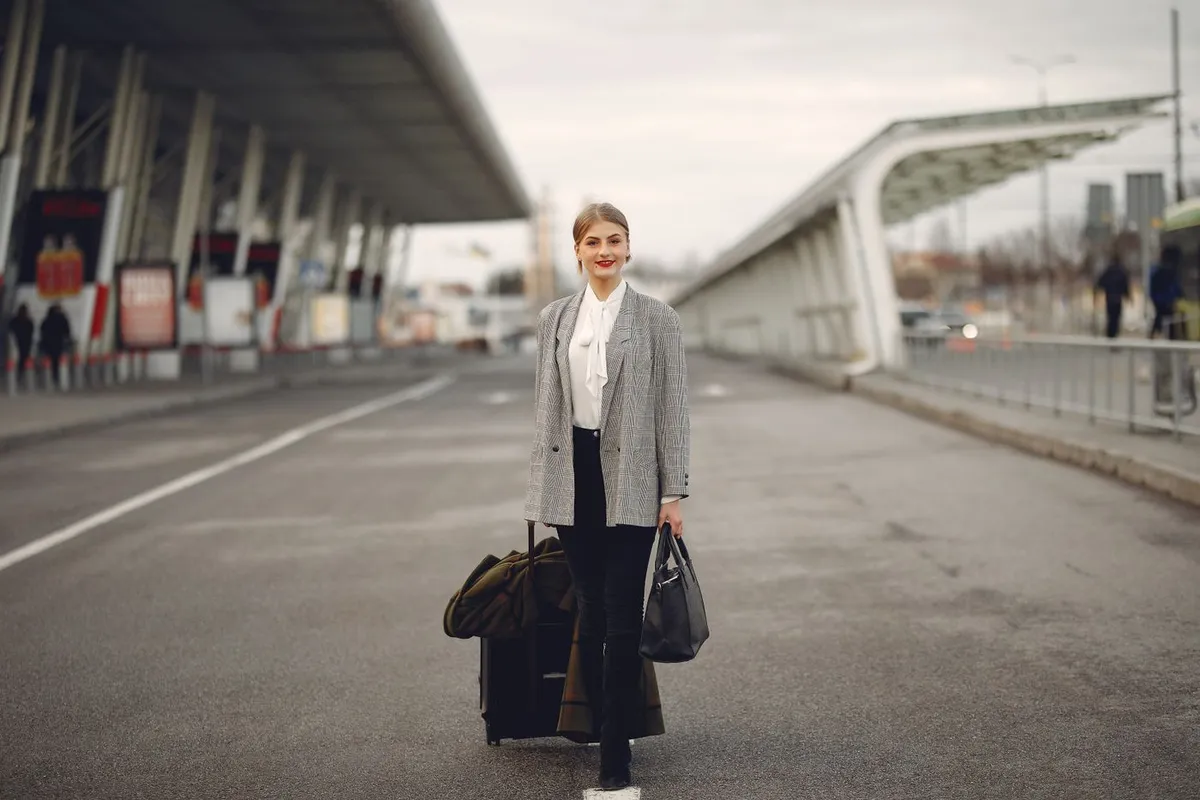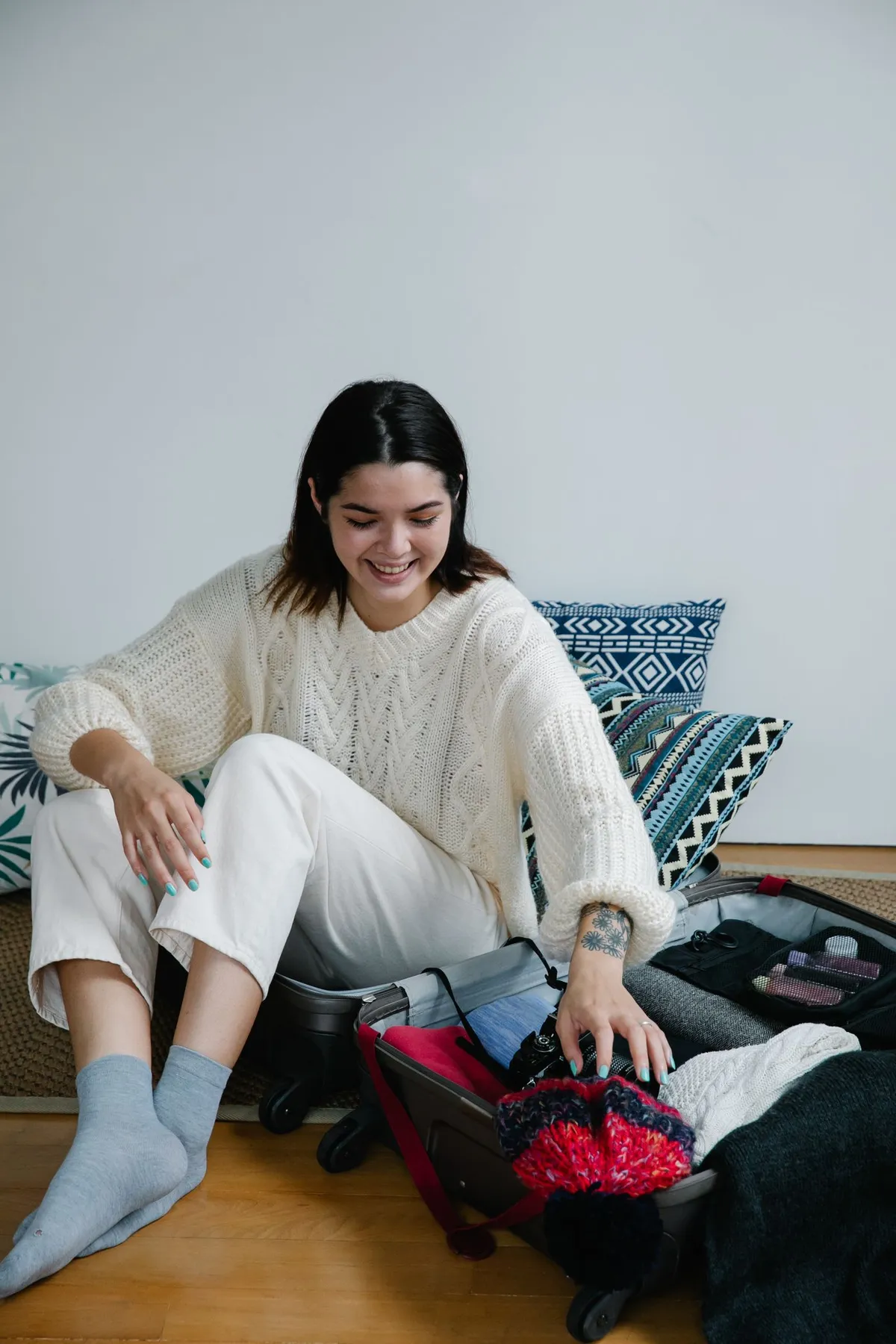
The train leaves tomorrow morning, and your bed is covered with possible outfits. There is a dinner reservation, a long walk and a forecast that changes every time you check it. Packing becomes easier when you stop treating the weekend as a collection of hypothetical events and write down the plans you actually have.
For a short trip, start with the journey, each day’s main activity and any occasion with a specific dress requirement. Note access to laundry if relevant, the expected weather and how far you will carry the bag. These details determine what earns space. A smaller bag only helps if it contains clothes you can comfortably use.
Build outfits before filling the bag
Lay out complete combinations, including shoes and outer layers, for the known plans. Look for pieces that work across several situations: trousers suitable for the journey and dinner, or a shirt that layers under the jacket you will wear outside. Repetition is useful when the item remains appropriate and can be worn again during the trip.
Avoid setting a universal garment count. A warm-weather overnight stay and a three-day rainy city visit have different needs. Include underwear, sleepwear and other personal essentials explicitly rather than assuming you will remember them after packing the interesting clothes. If an activity requires specialist equipment, account for that separately.
Check that the chosen items are ready now. A favorite top in the laundry basket is not a packed outfit. Try unfamiliar combinations at home, particularly if dinner clothes depend on one pair of shoes. Pack a sensible weather option based on the forecast and your plans, rather than several extra outfits for every possibility.
Make shoes and toiletries justify their space
Shoes can take a disproportionate share of a weekend bag. Wear the bulkier suitable pair for the journey and only pack another if it has a clear role. Consider whether the dinner venue actually requires a different shoe, or whether your comfortable everyday pair works with the outfit you have planned.
Use a separate shoe bag or other suitable covering to keep footwear away from clean clothes. Pack liquids in containers appropriate for their contents and check them for leaks before departure. Follow the transport provider’s current rules for liquids and luggage if you are flying; do not rely on a remembered allowance from another journey.
Keep everyday medication, identification and other essential personal items accessible according to your own requirements. Chargers deserve a deliberate check: match each cable to the device you are bringing. A pouch is useful if it makes these items easy to find, but filling several pouches can add bulk without improving the arrangement.
Test the bag as luggage, not storage
Pack the actual contents, close the bag and carry it around at home. Notice whether the handles feel usable, whether the shoulder strap adjusts appropriately and whether anything digs into your side. Check the bag’s dimensions and weight against your transport provider’s current limits where applicable.
If your existing bag falls short, identify the specific problem before shopping. At Nordstrom, compare bags by dimensions, closure, pockets, strap configuration and stated materials. Review current returns and any product care guidance. A bag that looks compact in a photograph may still be cumbersome when full, so measurements and a realistic packing trial matter.
For a missing clothing layer, browse UNIQLO with the planned outfits beside you. Compare the current garment’s composition, size chart and care instructions. Buy the piece that fills an identified gap rather than a whole travel wardrobe. An item that also works at home is easier to justify than something useful only for this departure.
Preparation checklist
- Write down the journey, activities and dress requirements.
- Check the forecast and current luggage rules where applicable.
- Lay out complete outfits using clean, ready garments.
- Add underwear, sleepwear, toiletries and personal essentials.
- Test closures, liquid containers and the fully packed carry.
- Leave tickets, identification and frequently needed items accessible.
Tradeoffs
A soft bag can be convenient in tight spaces, but its organization and shape depend on how you pack it. A structured case may be easier to move on smooth surfaces while being less convenient on stairs. Packing cubes can separate outfits; they do not reduce the amount you actually bring. Choose the arrangement for your route and carrying needs.
Leave a little room for worn clothes on the return trip and any purchases you already expect to make. Put the finished bag by the door with a short morning list for the items still in use, such as your phone and toothbrush. This removes the need to reopen every compartment while the departure clock is running.