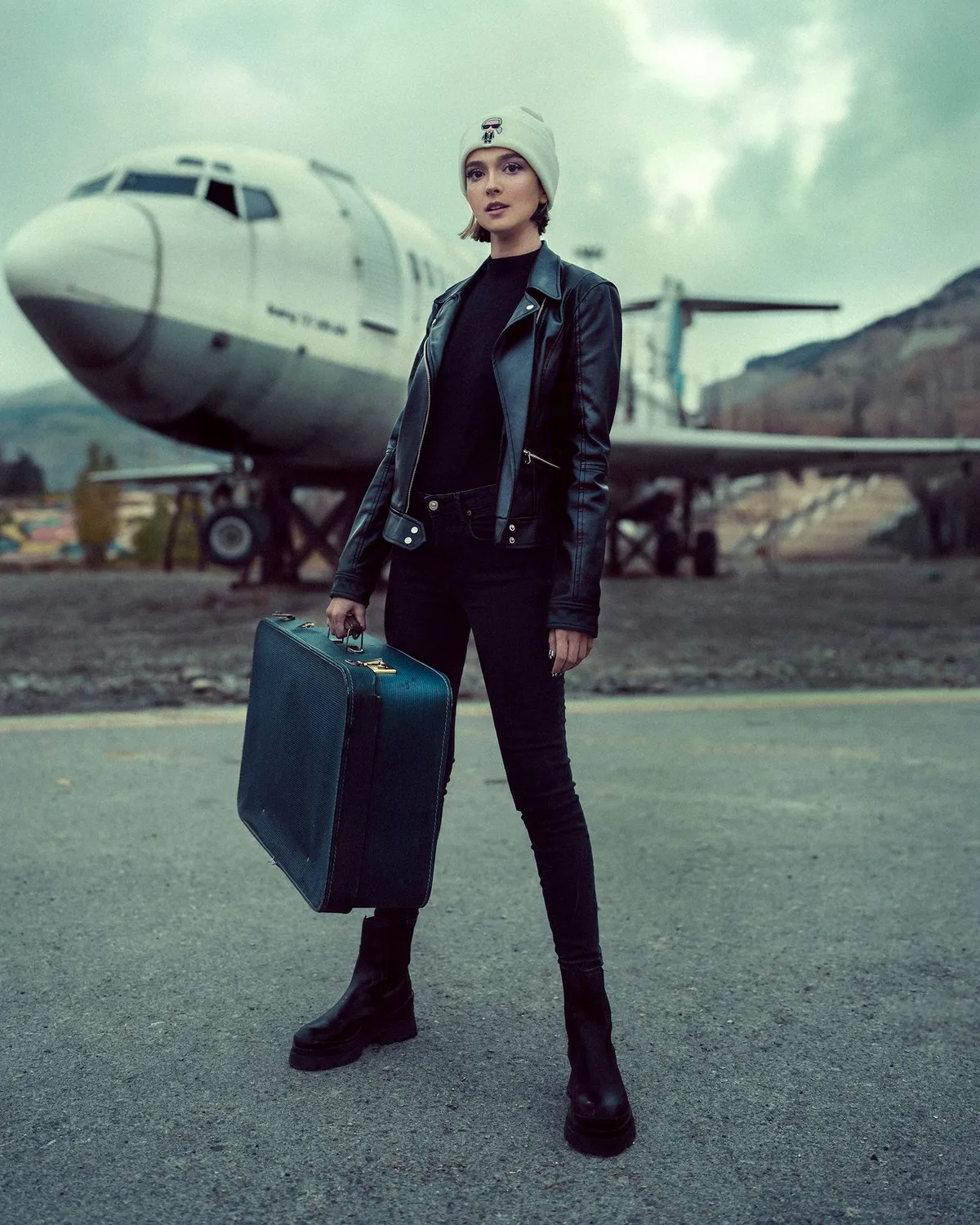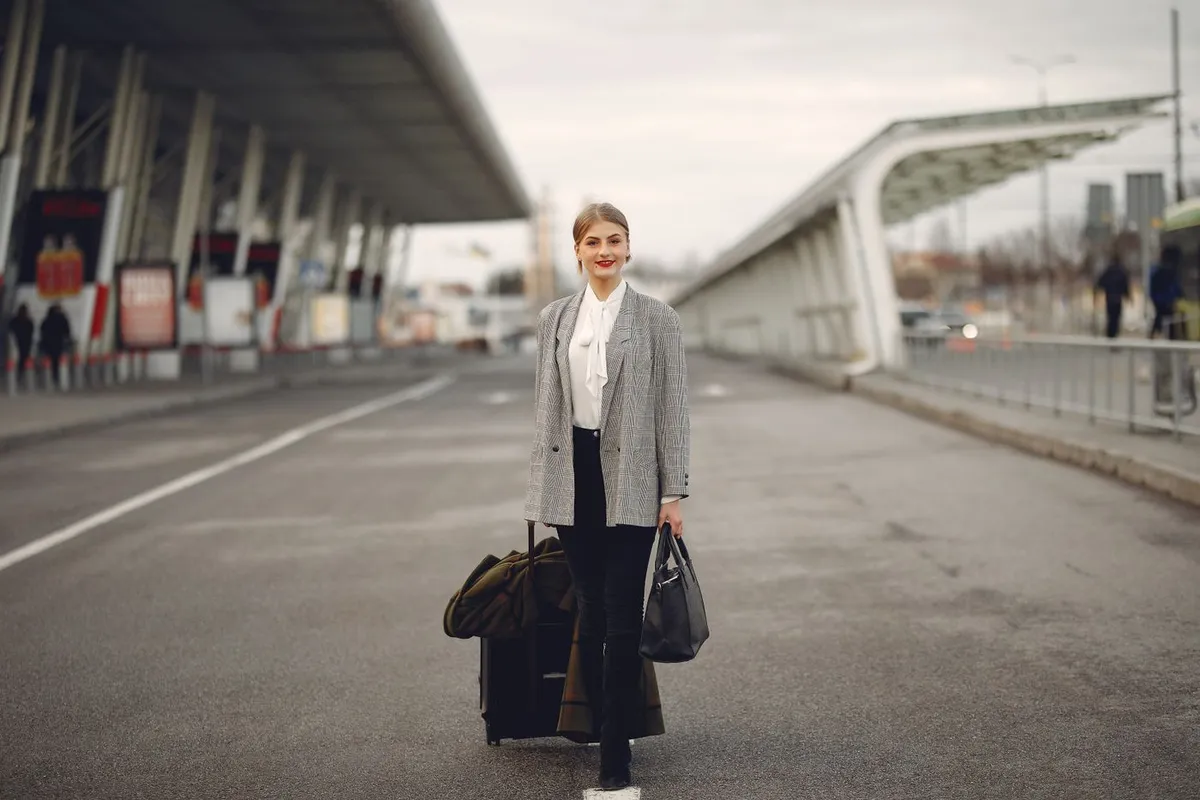
A city break often contains two very different kinds of dressing: hours of walking between neighborhoods and a few evenings when you want to feel a little more put together. A carry-on wardrobe has to bridge both without treating every dinner as a separate suitcase compartment.
Plan from the itinerary outward. Write down the number of full days, likely weather, booked activities and any specific dress requirements. Then choose a small group of clothes that can exchange partners. Repeating trousers is usually less noticeable than carrying too much to wear comfortably.
Choose the walking shoe first
Start with footwear you already know is comfortable for your expected distances. The shoes help determine trouser hems and the overall shape of the outfits. A pair that looks good with a cropped jean may not work with long trousers unless the hem is adjusted.
Do not make a new city the place where you first test unfamiliar shoes. Wear prospective travel footwear at home and on ordinary local walks before deciding it belongs in the bag. Check its manufacturer’s care and weather guidance, and pack socks that suit its fit. If you take a second pair, give it a clear job, such as a different dress expectation or weather need.
Build around two lower halves
For a short trip, two dependable lower halves can provide several combinations. You might choose straight jeans and relaxed trousers, or trousers and a skirt if that better fits your plans. Make sure both work with your walking shoes and the same outer layer.
Avoid selecting your most delicate item simply because it packs small. If it needs careful pressing or a special wash after one wear, it may create more work than it saves space. Look at the care label and consider whether the accommodation gives you a practical way to manage it.
Let tops change the mood
Choose a few tops with different roles: a comfortable daytime base, a shirt or fine knit that also works at dinner, and another option for changing weather or a spill. Try each one with both lower halves. A top that works with only one outfit is not automatically wrong, but it deserves closer scrutiny when space is limited.
Keep an accessible layer for transitions between outdoors and museums, shops or restaurants. An overshirt or cardigan can fit into a day bag more easily than a bulky knit. Check that your coat has room for the combinations you have chosen; a narrow sleeve can make an otherwise coherent capsule awkward.
Make evenings a small adjustment
An evening outfit can be the daytime trousers with a clean top and one accessory. You do not need to pack a different bag for every mood. A compact crossbody with a secure closure may serve both sightseeing and dinner if it fits your essentials and the venue’s expectations.
For restaurants or performances with stated dress codes, read the venue’s own guidance before packing. Do not assume every city follows the same conventions. A brief check can prevent an extra purchase at your destination or an uncomfortable change of plans.
Preparation checklist
- Lay every item out and make actual combinations, including outerwear and shoes.
- Check the airline’s current carry-on dimensions and weight allowance.
- Reserve room for toiletries and necessary documents before adding another outfit.
- Check the destination forecast shortly before departure.
- Put a clean base layer where you can reach it during travel.
- Decide where worn clothes will go so they do not become mixed with clean ones.
Buying checklist
If something is missing, prioritize comfortable footwear or a useful layer over a destination-specific statement piece. Compare garment measurements, fabric and care instructions. Skip clothes that only work together as a matching set unless both pieces already have a place in your ordinary wardrobe.
Tradeoffs
A narrow color range simplifies combinations, but it may feel repetitive if you enjoy varied outfits. Add variety through one small accessory or a different top rather than three additional lower halves. A single pair of shoes saves room but reduces your options if it becomes wet; a second pair adds flexibility and weight.
Packing light is not a competition. If a particular item supports a booked plan or your comfort, make room for it and remove something less useful. The purpose of a carry-on wardrobe is to make exploring easier, not to meet an arbitrary garment count.