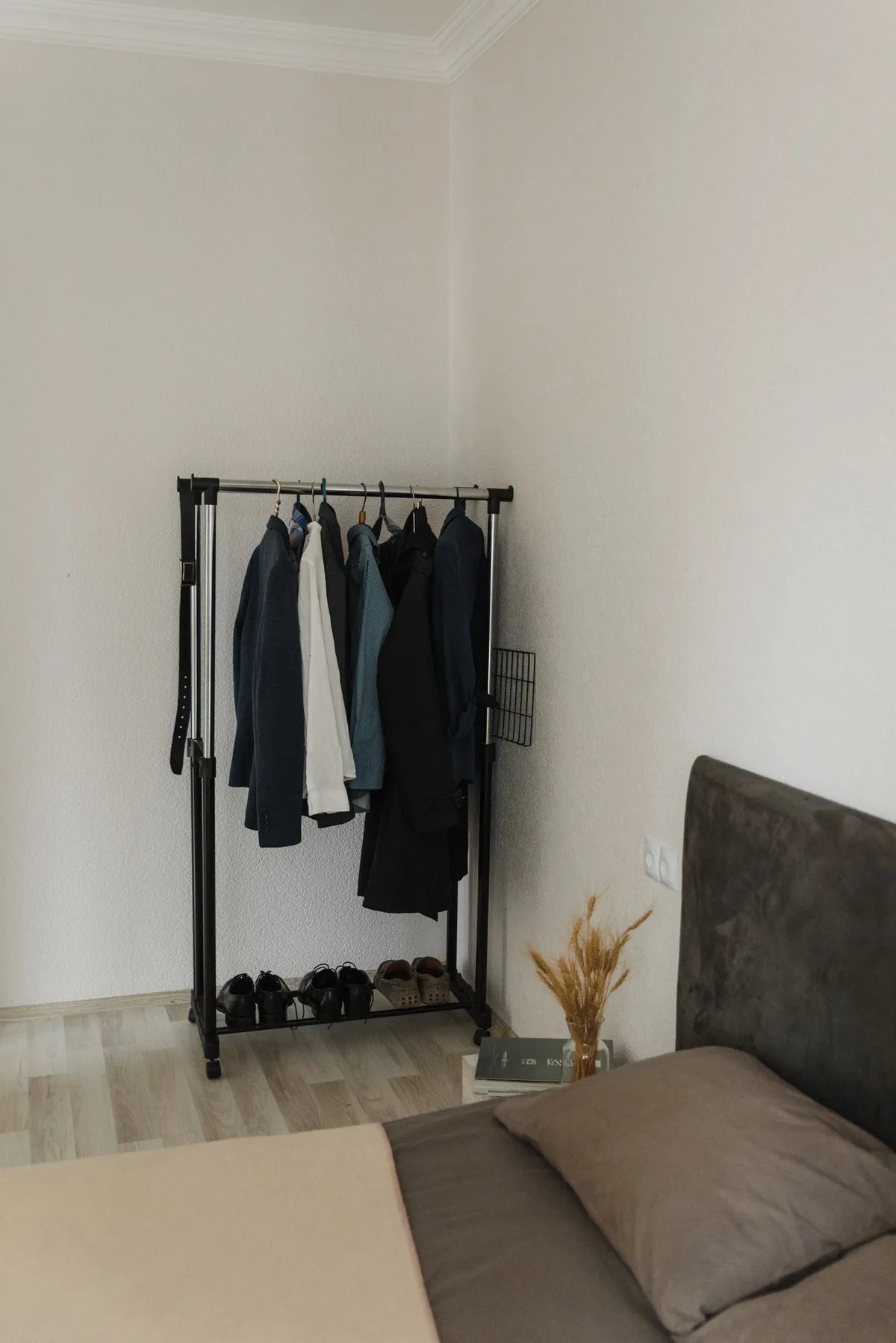
A blazer is often described as the piece that makes everything look pulled together. In practice, it works only if you feel comfortable wearing it through an actual day. Before buying one for a presentation, a new job or dinners out, bring the top you would wear beneath it and take a few minutes beyond the first mirror check.
The five details below form a fitting sequence. They help you compare garments consistently, whether you prefer a tailored shape or a deliberately relaxed fit. There is no universal correct blazer length, and an oversized design should not be judged as though it were intended to fit closely.
1. The shoulder and upper arm
Look at where the shoulder sits in relation to the intended design. Then raise your arms and reach forward. Tightness across the back or upper arm can make typing, driving or carrying a bag uncomfortable. A larger size may address the issue, but it can also change the body and sleeve proportions.
Avoid assuming every fit problem is an easy alteration. Ask a tailor about feasibility and cost before buying a jacket that needs substantial shoulder work. A returnable garment that fits your movement needs from the beginning is usually a simpler starting point than an uncertain tailoring project.
2. The closure while standing and sitting
Fasten the blazer as designed. Look for pulling at the front and notice whether the lapels sit naturally. Sit down and check comfort. You may wear the jacket open most of the time, but an awkward closure can still reveal that the intended fit is not working for you.
Inspect buttons and buttonholes. A loose button can be repairable; an uncomfortable overall fit is a different issue. Check whether decorative pockets are functional and whether their placement works with your hands and belongings. Avoid overfilling jacket pockets if doing so changes the shape noticeably.
3. Sleeve and body length
Try the blazer with your normal trousers or skirt. The point where the jacket ends changes the outfit’s proportions, so use a complete combination rather than an isolated impression. Check sleeve length while your arms are relaxed and while you move. Decide whether you want a visible shirt cuff or a simpler layered edge.
If you plan an alteration, check the cuff construction. Buttons, lining and other details can affect the work required. Get a realistic estimate rather than assuming shortening will be straightforward or inexpensive. Include that estimate in the total purchase cost.
4. Fabric, lining and care
Read the material composition and care label. A fully lined blazer may feel different in warm weather from one with less lining. Fabric weight also changes how the jacket hangs and how easily it fits beneath a coat. Try it in the conditions you can reasonably reproduce, including over your intended base layer.
Think about the care routine. If the garment requires specialist cleaning, is that convenient where you live? A blazer worn only occasionally may need a different maintenance plan from one worn several workdays each week. Price alone does not tell you whether the fabric will suit your routine.
5. Compatibility with the wardrobe
Name three existing combinations before purchasing. One could be work trousers and a shirt, another jeans and a tee, and a third a dress you already wear. If only a completely new outfit makes the blazer work, the buying decision is larger than a single jacket.
Buying checklist
- Check shoulder movement over the actual underlayer.
- Fasten the jacket, then sit and reach forward.
- Compare length with your ordinary bottoms and shoes.
- Read composition, lining details and cleaning instructions.
- Confirm alteration costs and return terms before committing.
Browse blazer descriptions at Everlane or Nordstrom as a starting point. Measurements and design intentions vary, so compare the individual garment rather than relying on the size you wear in another brand.
Tradeoffs
A structured blazer can feel polished but less flexible than a softer jacket. A relaxed style may layer easily while appearing too casual for some offices. Neutral colors combine readily, though a distinctive color can be more enjoyable if you have reliable outfits for it. Choose for the situations you repeat. The best result is a jacket you can forget about while getting on with the presentation, meal or working day.