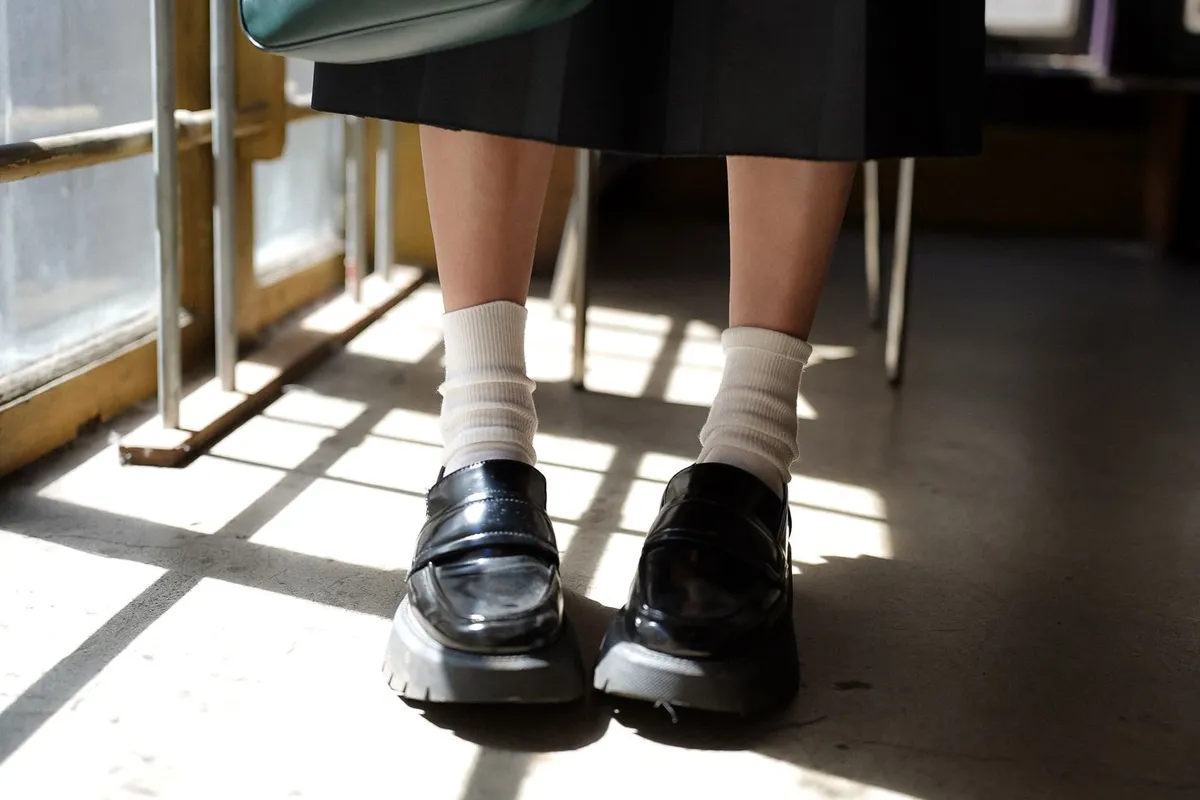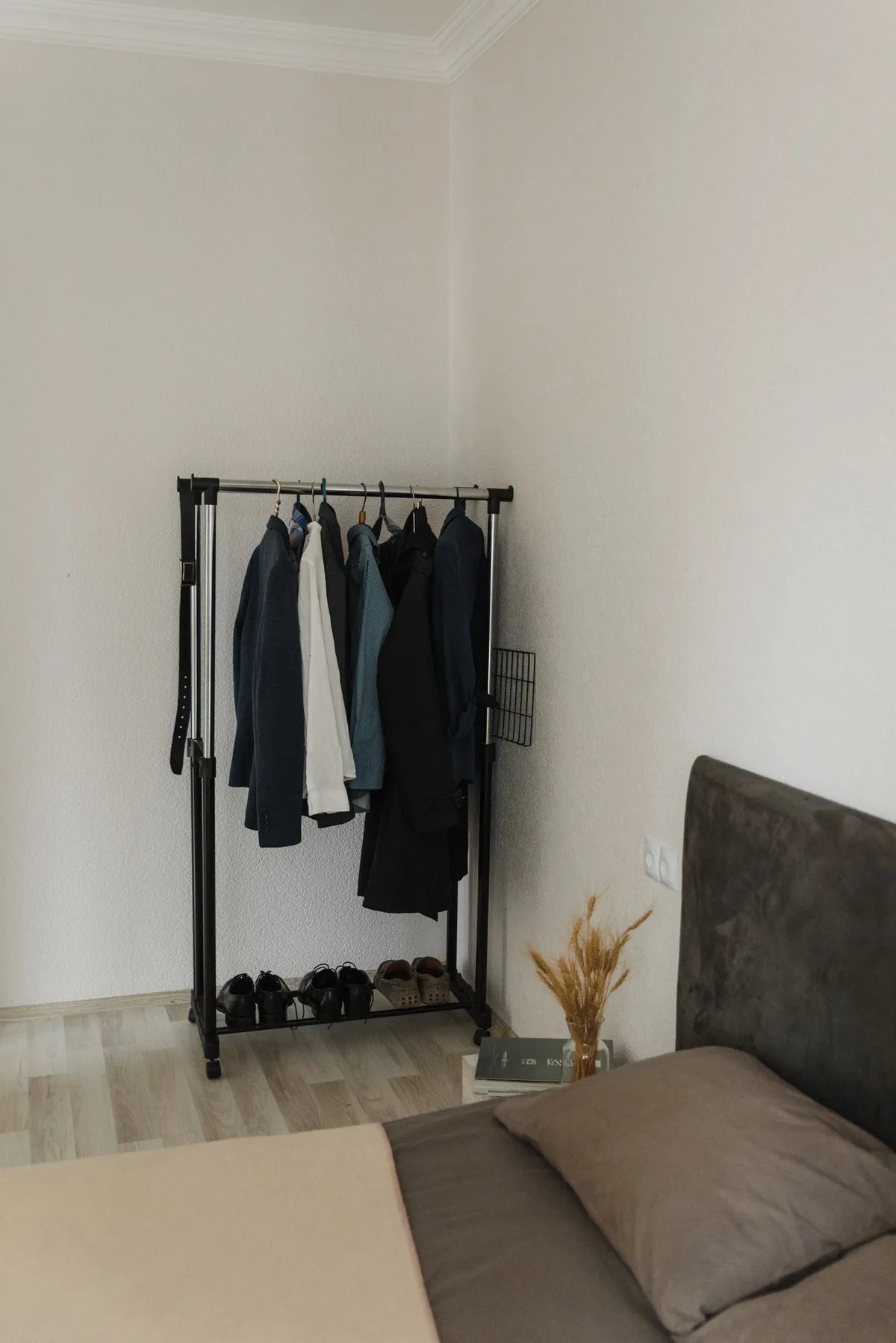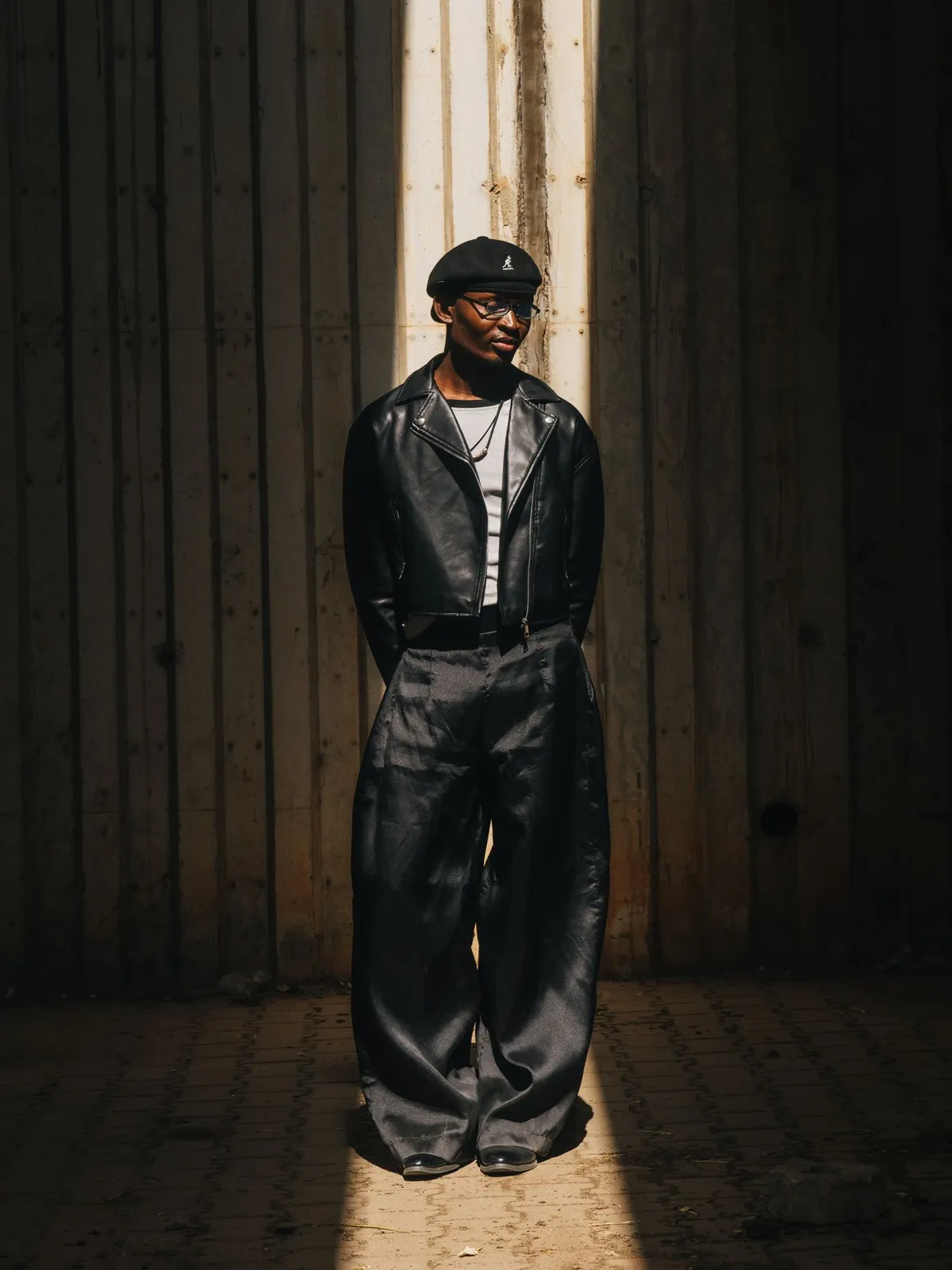
Wide-leg trousers can look different with a shoe change even when the rest of the outfit stays the same. A substantial loafer adds weight beneath the hem; a pointed flat shows a smaller shape; a sneaker makes the combination feel more casual. The useful starting point is the trousers you own, especially their actual length, rather than a rule that one shoe must accompany every wide leg.
Put the trousers on with the top and outer layer you plan to wear. An oversized knit creates a different balance from a compact shirt, and the shoe is one part of that complete outline. Take photographs from a normal standing position, then walk across the room. A combination needs to work in movement as well as in a still mirror view.
Sort the trousers by hem length
A cropped wide leg leaves most of the shoe visible, so details such as ankle straps, laces and the height of an upper become part of the outfit. A full-length pair may reveal only the toe and a little sole. Compare those two arrangements separately instead of expecting one shoe to have the same effect beneath both.
Check whether the hem touches the floor when you walk or sit down and stand again. If a trouser length only works with a particular heel, consider whether that is a practical restriction for your week. A tailor can help establish the desired length with the chosen shoe, but changing heights afterward may require reassessment.
Compare visual weight before buying
Try a shoe you already own with a substantial outline: a loafer or a simple sneaker, for example. Then try a lighter flat. The comparison reveals whether you prefer the trouser leg balanced by another strong shape or finished with a quieter one. Neither approach is intrinsically more flattering; the difference is visual emphasis.
A longer toe can remain visible beneath a generous hem, while a rounder shape may be mostly concealed. That observation can guide a shortlist, but it should not encourage you to choose a crowded or uncomfortable toe box. Separate the appearance of the shoe from its fit and assess both before purchasing.
| Trouser shape | Shoe to try first | What to evaluate |
|---|---|---|
| Cropped, generous leg | Loafer or ballet flat | The visible upper and ankle gap |
| Full-length tailoring | Simple loafer, flat or appropriate heel | Hem clearance while moving |
| Wide casual denim | Sneaker or substantial everyday shoe | Sole proportions and denim length |
| Fluid evening trousers | A dress-code-appropriate shoe | Movement of the fabric around the toe |
Use the top half to adjust the result
If the trousers and shoes together feel visually heavy, try a neater top before deciding that the shoes are wrong. A tucked shirt or shorter cardigan can make the waist and trouser shape easier to see. Conversely, a deliberately roomy outfit can work with a quieter shoe if you like the contrast.
Color also changes emphasis. A shoe close to the trouser color creates a less obvious break; a contrasting shoe makes its outline more visible. Use that distinction to direct attention where you want it. There is no requirement to match every accessory, and a bag can coordinate through its formality or material instead of its exact shade.
Buying checklist
- Take the trousers to a permitted try-on or keep them ready when an online order arrives.
- Check the hem with the shoe while standing, walking and turning.
- Compare at least two toe shapes using the same complete outfit.
- Read the shoe’s heel and sole measurements instead of estimating height from photographs.
- Try both shoes with the socks or tights you intend to wear.
- Confirm return terms before deciding between unfamiliar sizes or shapes.
- Check whether the purchase works with another pair of trousers as well.
Nordstrom and Everlane can help you compare everyday shoe silhouettes. Build a shortlist around the shape that already worked during your wardrobe try-on, then investigate each product’s actual materials, measurements and fit guidance. A trend name does not tell you whether it suits the trouser length you have.
Tradeoffs
Keeping a very long hem for one higher shoe may create the silhouette you want for evenings while limiting daytime options. Shortening the trousers for flats makes them easier to use in another setting but changes how they sit with heels. Decide which use occurs more often before tailoring or shopping.
A chunky shoe can make wide denim feel intentional, yet a larger shoe may be less convenient to pack. A delicate flat can suit a compact travel wardrobe, but check how much of it remains visible and whether the hem clears the pavement.
Do wide trousers need heels? No. Flats, loafers and sneakers can work when their proportions and the hem suit the outfit and occasion.
Should I buy a shoe just for one pair? First try adjusting the top, hem or existing footwear. A new pair is most useful when it solves a recurring outfit problem across the wardrobe, rather than rescuing a single photograph.