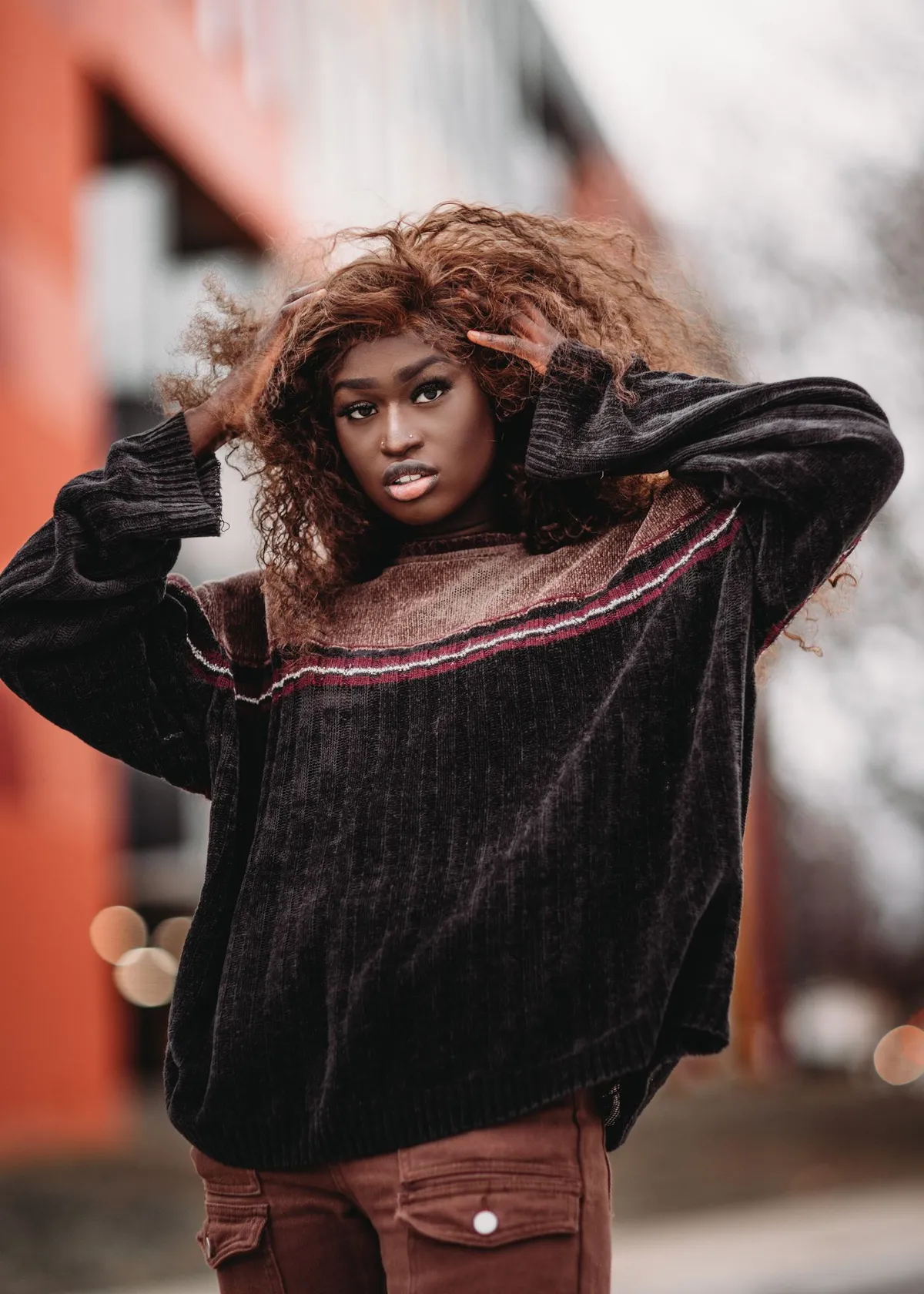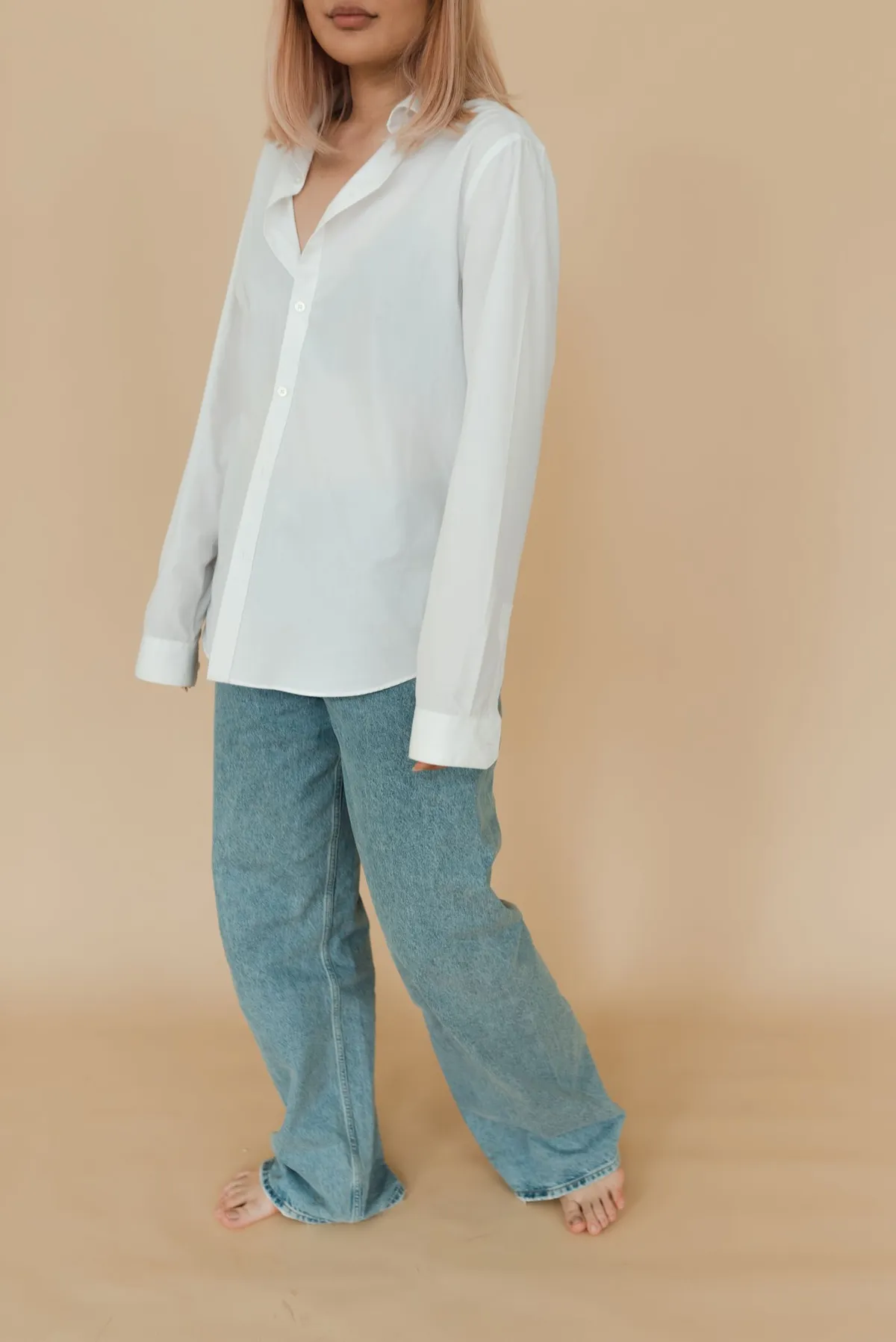
A rail of black, cream and navy clothes can make mornings easy, yet still leave you feeling as though you have dressed for someone else’s taste. The answer does not have to be a dramatic new palette. A small amount of color can make your familiar combinations feel personal while preserving the convenience that drew you to neutrals in the first place.
Consider a normal Tuesday: you need something appropriate for work, comfortable for the trip home and easy to wash. A bright jacket may be enjoyable but difficult to repeat. A colored tee beneath your usual cardigan might do the job with less effort. Start by deciding where you want color to appear, rather than deciding how much color a wardrobe ought to contain.
Identify your actual neutrals
Lay out the clothes you wear most often. Your working neutrals may include denim, olive or chocolate, not only black and white. Notice whether your everyday shoes and bags sit in a warm or cool group. These observations help you select additions that connect with what is already there.
You do not need to obey a rigid warm-versus-cool rule. Instead, hold a possible colored item next to two real outfits in daylight. Ask whether the contrast feels deliberate and whether you would willingly wear it tomorrow. Your reaction to the complete outfit is more useful than a theoretical palette.
Choose one recurring color
Look at scarves, old photographs or the non-neutral garment you repeatedly reach for. Choose a color you already enjoy. It can be a muted shade such as burgundy or a clear blue. Repeating one color in two different places often creates more combinations than buying several unrelated bright pieces.
For example, a soft blue shirt can work with navy trousers, cream jeans and a dark skirt. A scarf in a similar color can bring the same note to a coat you already own. The shades do not need to match exactly. Their role is to make the rest of the wardrobe feel connected.
Decide whether color should lead or support
If you want a quiet outfit, keep color in a smaller area: a neckline, sock, scarf or bag. For a stronger effect, use a colored top with neutral bottoms and simple shoes. A colorful bottom is another option, but check that your most-used outerwear works with it before purchasing.
Use texture to keep the neutral part interesting. A ribbed knit, crisp shirt and smooth trousers can produce depth without adding another hue. This matters when a color accent feels too isolated. An outfit can be expressive through shape and texture as well as through its palette.
Buying checklist
- Test a new shade beside the coat, shoes and bag you use most often.
- Make two complete outfits with existing clothes before removing tags.
- Check opacity and fabric weight, especially with pale colors.
- Read washing guidance and consider whether the color needs separate care.
- Choose a role: everyday top, occasional statement or small accessory.
Uniqlo and Everlane offer browsing routes for everyday garments, but availability and colors vary by product. Compare the actual item rather than treating a retailer’s seasonal palette as a complete wardrobe plan. If a color you love appears only in a shape you dislike, wait or look elsewhere.
Tradeoffs
Small colorful accessories are easy to introduce, but they can become an extra step you forget on busy mornings. A colored shirt puts the decision into the outfit itself. Larger statement pieces feel more distinctive but may be harder to combine with varied plans. Think about how often you want to repeat the same color openly.
A fully coordinated palette makes shopping simpler, although too much coordination can feel restrictive. Leave room for a garment you enjoy even if it is not universally compatible. The practical test is whether it has a real place in your week. Personal style is allowed a little irregularity, provided your wardrobe still helps you get out of the door.